Boston
Boston basement waterproofing questions often come down to filled land, wood-pile foundations and groundwater monitoring. Typical work here includes interior drainage, sump pumps, crack sealing in brick and granite foundations and backflow prevention.
Ground and groundwater in Boston
Large parts of Boston — Back Bay, the South End and parts of Fenway — are built on filled tidal flats, and many buildings rest on wood piles that must stay below groundwater.
The Boston Groundwater Trust monitors groundwater levels in filled-land neighborhoods; Boston Water and Sewer Commission manages sewers, some combined.
Climate, freeze–thaw and flood history
Nor’easters, coastal storm surge and freeze–thaw winters are the main risks.
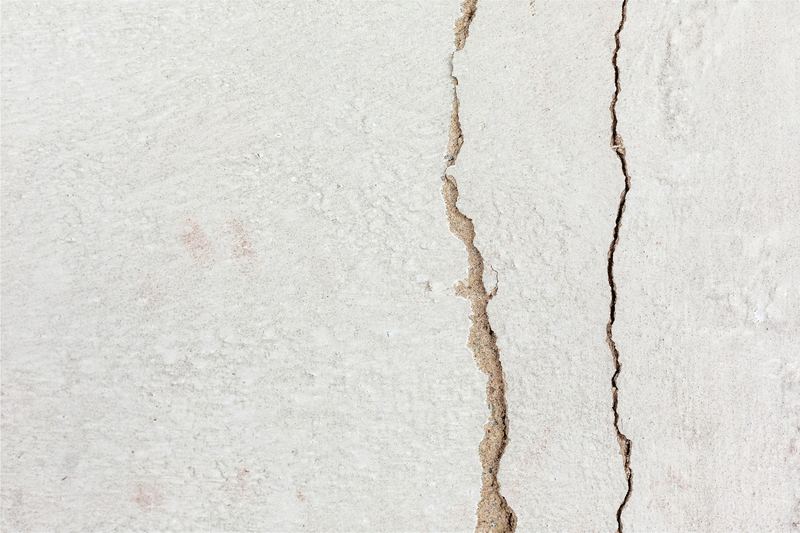
Water that reaches a foundation wall finds cracks, cold joints and the joint between wall and floor first, so the right fix depends on where the water is coming in and how high the groundwater rises.
Local authorities and codes
Boston Groundwater Trust, Boston Water and Sewer Commission and Inspectional Services Department are key contacts.
Massachusetts applies the State Building Code (780 CMR), with local building commissioners issuing permits; work in flood zones follows the code’s flood-resistant construction provisions.
Typical basement work in Boston
Interior drainage, sump pumps, crack sealing in brick and granite foundations and backflow prevention. Every property is different, so the specialist inspects on site before recommending a system or giving a written quote.
Check the official flood map for your address, keep gutters and downspouts clear and pointed away from the house, and photograph any water, damp patches or cracks before the visit.
Massachusetts Basement Waterproofing in Boston
We take basement waterproofing enquiries from Boston and surrounding areas around the clock. Tell us the address, where water shows up and when it happens, and we will arrange an on-site inspection.